
“Be not deceived; God is not mocked: for whatsoever a man soweth, that shall he also reap. For he that soweth to his flesh shall of the flesh reap corruption; but he that soweth to the Spirit shall of the Spirit reap life everlasting. And let us not be weary in well doing: for in due season we shall reap, if we faint not.” Galatians 6:7-9
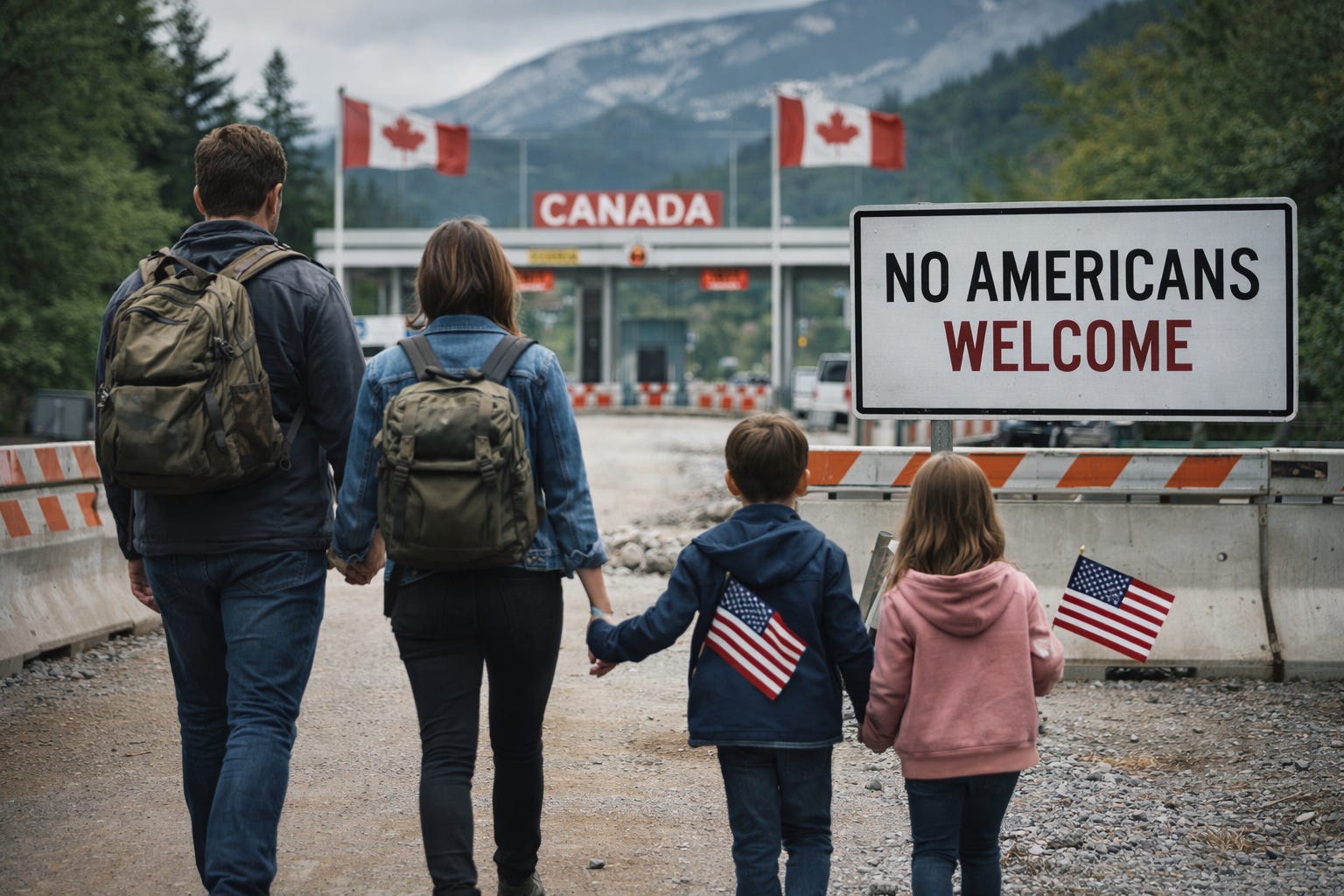
The playground had rules. They just didn’t work the same way around Marcus.
He wasn’t the biggest kid. There were boys who could outrun him, boys who could probably knock him flat if it ever came down to strength alone. But it almost never did. Marcus knew how to avoid “alone.” He knew how to make things uneven before anyone realized a game had started.
He always had candy. Not the cheap kind you pulled out of a coat pocket all stuck together. The good stuff, wrapped tight, bright enough to catch your eye from across the yard. And he had a way of talking that made it seem reasonable to go along, like saying no would only cause trouble for no good reason.
It started with Luis.
Marcus came up while Luis was drawing lines in the dirt by the fence. The afternoon was quiet, swings squeaking behind them. Marcus crouched so they were eye level.
“I’ll give you this,” he said, holding out the candy. “I just need your spot for a bit.”
Luis looked at it. Looked back at his game.
“No,” he said.
Marcus smiled, like Luis had surprised him.
“Okay.”
Then Marcus hit him. Not hard enough to draw blood. Just enough to knock him backward and make everyone nearby suddenly find something else to look at. The dust puffed up around Luis’s hands when he fell.
Marcus took the spot.
The next day, it was Mateo.
Same offer. Candy first. Friendly voice.
Mateo shook his head. He glanced at Luis’s fading bruise.
“No,” he said.
Marcus didn’t bother smiling this time. He shoved Mateo as they passed, just enough to send him down on one knee. By the time Mateo stood up, Marcus was already sitting where he wanted to be.
By the end of the week, no one needed the offer explained. Sometimes Marcus still gave out candy. It made things feel lighter. Like this was a deal, not a shakedown. Kids who took it told themselves they were smart, that at least they were getting something.
Others didn’t take it. They just moved.
Games shifted. Spots opened up. Arguments stopped before they started. The playground bent, slowly, until Marcus didn’t have to do much at all.
From a distance, it looked calm. Organized. Like things were finally running smoothly.
Then Daniel showed up.
He was new and didn’t know how things worked yet, or maybe he just didn’t know Marcus.
Marcus walked over the same way he always did, easy, candy ready.
“Hey,” he said. “You can hang out over here.”
Daniel looked at the candy. Looked at the other kids, suddenly very still.
“No,” he said.
Marcus paused.
“You sure?” he asked.
Daniel nodded.
For a second it felt like the air tightened. Marcus studied him, head tilted, like he was checking the math on a problem that usually came out clean.
Luis was watching now. Mateo too. Nobody stepped in, but nobody looked away.
Marcus noticed. He always noticed.
He put the candy back in his pocket. “Alright,” he said, light as if nothing had happened.
And he walked off.
Not because he was done. Because he wasn’t.
Things didn’t snap back to how they had been. They didn’t get better either. The playground just stayed tense, like a game waiting on a whistle that never came.
A week later, Marcus came back changed.
Everyone already knew why. His house burned down. Smoke in the night. Sirens. By morning, even the teachers were quiet.
Marcus showed up with dirty sneakers and a shirt that didn’t quite fit. He didn’t have candy. He didn’t have that look on his face anymore, the one that said he already knew how things would turn out.
He stood by the fence and watched.
Luis saw him first. Then Mateo. Then Daniel.
Marcus walked toward them slowly.
“My house burned down,” he said.
Nobody answered.
“We’re staying with my aunt,” he added. “It’s crowded.”
He hesitated, then said, “Can I sit with you guys?”
That stopped everything.
This wasn’t a deal. This wasn’t pressure. This was Marcus asking.
Luis stepped forward.
Marcus’s shoulders loosened.
Then Luis shoved him, hard.
“That’s for the fence,” he said.
Mateo hit him in the shoulder. “That’s for lunch.”
Another kid shoved him from the side.
Marcus went down on one knee, more shocked than hurt. Then they were all there at once. Not wild, not screaming. Just years’ worth of hands finally returning what they’d been holding.
“You don’t get to come now.”
“You don’t get to ask.”
Marcus tried to get up. Someone knocked him back down.
Daniel stood outside it, watching. He got it. Everyone did. That was the problem.
“Stop,” Daniel said.
The word cut through.
Luis turned. “Why?”
Daniel looked at Marcus in the dirt. Then at the others.
“Because if we do this,” he said, “then we’re just waiting our turn to be him.”
No one argued. They were breathing too hard for that.
One by one, they stepped back.
Marcus stayed down a moment longer, then stood. He didn’t thank anyone. He didn’t swing back either.
He just looked around at the boys he used to control, really looked this time.
The playground was quiet. The swings creaked. Nothing else had changed.
Except now Marcus understood something he hadn’t before.
Power was easy when you had things to trade and places to go.
It was harder when all you had were the people who remembered exactly how you’d treated them when you didn’t need anything at all.
‘THE TECHNATE’ Prologue | 1 | 2 | 3 | 4 | 5 | 6 |
Amir’s story follows a struggling family entering 2020 as financial strain, a deteriorating home, and emotional distance begin to weigh on his marriage, all while early news of a mysterious illness sparks his suspicion of hidden agendas; the narrative then shifts to a quiet but calculated conversation in the White House where leaders see COVID-19 not just as a crisis but as an opportunity to consolidate power, wealth, and public compliance, before returning to Amir as the pandemic transforms everyday life into a tense, divided landscape where people enforce rules on each other, fear reshapes behavior, and his family fractures over trust, vaccines, and survival, ultimately leading Amir to quit his job due to health risks and reluctantly take the vaccine, all while sensing that something larger and more controlled may be unfolding beneath the surface of what the public is told.