
Mass migration is the problem
You import the third world, you become the third world, and you caused this problem.
Key Takeaways
Colonialism did not really end, it just changed form and still shapes poor countries today.
Countries like Haiti, Nigeria, and Zimbabwe are used as examples of how European rule left behind debt, bad borders, instability, and weak foundations. As well as generational hate toward Europeans.
The article argues that many modern problems in formerly colonized nations come from those unresolved colonial systems and outside exploitation.
It then connects that history to migration, arguing that people from exploited countries may send wealth back home and feel little loyalty to the West.
The main conclusion is that the West is now experiencing blowback from its own colonial past.
Y’all. Colonialism is still very much a problem today and it is causing you to lose your countries because of absolute complacency.
It’s September 1981, and British Honduras gained independence peacefully to become a new nation: Belize. In the greater narrative, this is may seem small, but it perfectly illustrates a massive problem that bleeding heart liberals want to continue to ignore: you import the third world, you become the third world. This statement can be found offensive by those who are incapable of seeing past their empathy to diagnose an actual problem because of not wanting to sound offensive. Allow this brown, first generation immigrant tell you why you white people are allowing your countries to rot. Let’s look beyond the empathy and let’s diagnose the actual problem that can be traced back to Western Colonization.
There was a point with the Belize example, but only for people to notice the year: 1981. We’re currently in 2026, and one of the last colonies to gain independence hasn’t been around for even half a century. That means these nations are still developing. There are still social and tribal issues that had not been taken care of. When these nations become independence, unity becomes the problem. So many different people think they can lead the country better than the next that it causes internal turmoil. Also, just because these countries gained independence did not mean that all of a sudden their culture was on par with Western Culture.
The Curious Case of Haiti
I laugh whenever people tell me Haiti is an independent nation. Perhaps on paper, but the country has never enjoyed true freedom. The moment they ‘beat’ the French, the French Empire pointed their cannons at Port-au-Prince and demanded reparations from the ‘freed nation’. Haiti finished paying off its forced "independence debt" to France in 1947, which originally imposed on them by France in 1825. You could then argue that Haiti gained its independence in 1947.
FUN FACT
1910–1911: A consortium led by National City Bank acquired control of the Banque Nationale de la République d'Haïti (BNRH), the sole commercial bank and treasurer for the Haitian government. This meant that BANKERS owned the Island. This lasted until 1935.
The brutal little gears inside the machine were this: Haiti paid France, borrowed to make those payments, then foreign lenders tightened the screws, and eventually the U.S. stepped in and controlled the state’s finances. Haiti escaped slavery and empire, then got ambushed by debt. Being in debt keeps you in chains, and this was the reality that Haitians dealt with.
Colonial Nigeria: The Rape of Africa
When Britain created colonial Nigeria, it combined many very different peoples into one state, including the Hausa-Fulani in the north, Yoruba in the west, and Igbo in the east, plus many smaller groups. Those borders were built for colonial convenience, not because the people saw themselves as one nation. After independence, those tensions helped fuel coups, massacres, and then the Biafran War from 1967 to 1970, when the largely Igbo southeast tried to break away as Biafra. The war killed an estimated 500,000 to 3,000,000 people.
I use Nigeria as an example because think about this happening on a continental scale. Europeans did not take into consideration the difference and feuds between these tribes and this was something no one had the capacity to stop and think about how this could potentially be a problem. Because of this instability, Nigeria was not able to evolve and grow. With constant strife, violence, wars, and genocides being sponsored by outside influences (United Arab Emirates is supplying arms to terrorists in Sudan to keep that region destabilized).
Rwanda had similar issues, and that’s a more recent example. The Tutsi and the Hutus. Look, I think these groups are both retarded simply because y’all black, man. Just because someone has a different nose than you doesn’t mean you use machetes to cut their heads off. Regardless, this was not taken into consideration. Bleeding heart progressives believed that these people were just as evolved culturally as they were when the exact opposite was true.
Rhodesia
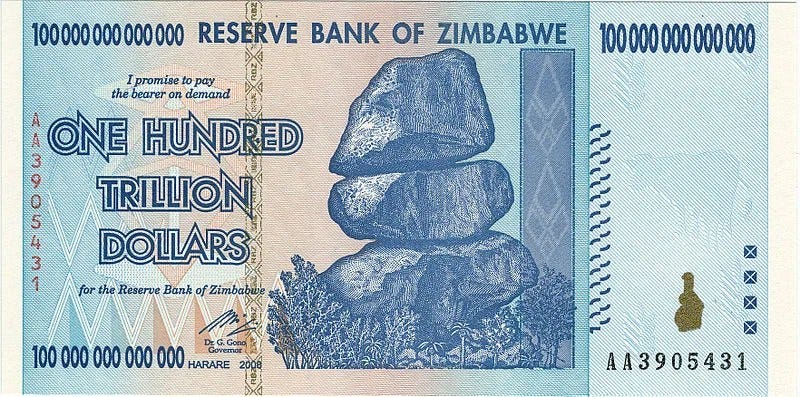
Man this is heartbreaking, but this perfectly illustrates my point. We’re seeing this now in South Africa as well.
Rhodesia, which became Zimbabwe, was carved out under British imperial rule and dominated by white settlers, especially through Cecil Rhodes’s imperial project and the British South Africa Company. The borders did not reflect the political realities of the African societies already there, especially the Shona majority and the Ndebele population. Instead of building a state for the people living there, colonial rule built one for settler extraction: land seizure, racial hierarchy, and disenfranchisement.
FUN FACT: Zimbabwe dealt with historic hyperinflation after the Europeans left. This was due to several factors, with the most devastating being land seizures by wrecking agricultural production, especially tobacco and food output. The government was also spending heavily, including on war involvement and public payrolls, without enough real revenue coming in. To cover the gap, it printed money. Once people lost faith in the currency, prices started rising faster, so the government printed even more, which made prices explode again. That loop turned into a monetary bonfire. By 2008, inflation was so extreme that Zimbabwe issued absurdly large banknotes, and people often abandoned the Zimbabwean dollar in favor of foreign currencies like the U.S. dollar and South African rand.
As messed up as people may find this, Rhodesia thrived under European rule because they ruled absolutely, and practiced racial hierarchy, something that did more harm than good. The white settlers in Rhodesia took no time to mingle with the natives there who were excluded, meaning there was never a chance for them to learn the European way of ruling. Toss in the fact that they created controversial borders that would once again lead to more violence, it doomed Zimbabwe the moment white people pulled out.
Rhodesia shows how Europeans could create a country that was not designed for its native population at all, but for white settlers, and that artificial colonial order guaranteed violent conflict later.
It is a little different from a case like Nigeria, where many groups were bundled together by a line on a map. Rhodesia’s poison was more settler colonialism, land theft, and minority rule than just bad border geometry.
The Point
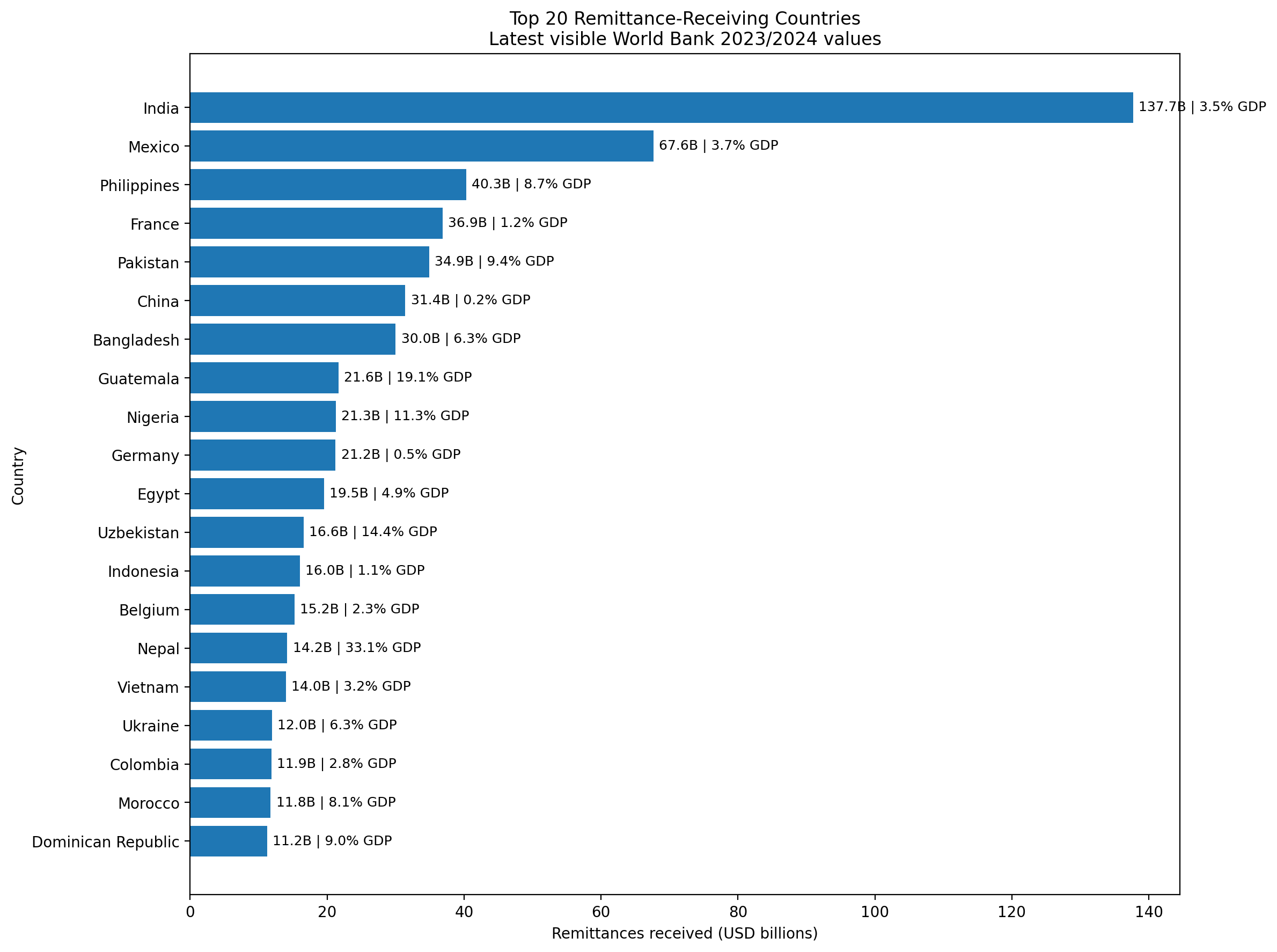
Long story short: you cannot bring migrants here who have not culturally evolved similar to the West. We bring in foreigners into America without forcing them to assimilate, to learn to speak a common language, and just expect these people to come here and act like they’re expected to act: civilized. If I were one of these people, not only would I exploit America, I would feel JUSTIFIED in doing so.
The reason is simple. White Europeans came to my lands, killed my people, exploited it for pure profit, and continue capitalist greed all over the planet. You think I’d respect America if I’m allowed to come here? FUCK no. I’m taking all that money to my home nation and using that to build a better life. It’s reverse uno: you fucked up my country, I fuck up yours.
Regardless of how justified you feel like this is, it does not change the fact that most people who come to the United States do not respect it, nor do they care about. Most migrants are waiting for a day when America is no longer a major power. They stick to their own while they’re in the United States because they do not like you. White people ruined these people’s homelands for generations completely changing the trajectory of their future for the sake of corporate greed.
These people continue to exploit the third world to this day, and now people are acting surprised that the same people who white Europeans have attacked and exploited are now doing the same thing to them. Colonialism is still very much a problem today, however the problem has evolved. Now, European nations are being colonized on the behest of ‘progressivism’. It’s time people stop being worried about political correctness. Understand that the sin of colonialism continues to plague us today, but also have the common sense to understand that the people coming from countries you are exploiting will do everything in their power to destroy you.
The United States can be conquered this way, and some would argue it’s already happened.
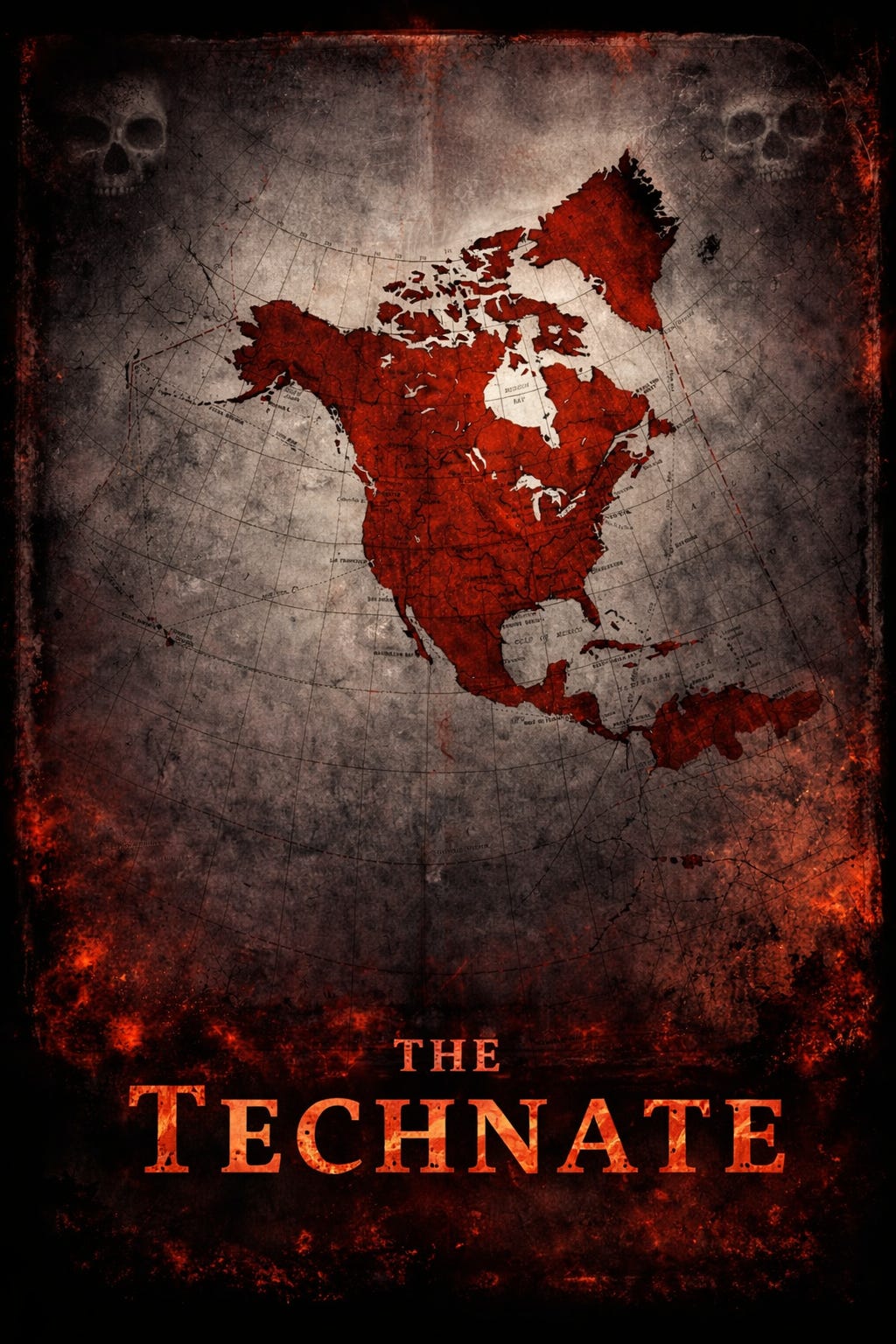
‘THE TECHNATE’ Prologue | 1 | 2 | 3 | 4 | 5 | 6 | 7 | 8 | 9
Amir’s story follows a struggling family entering 2020 as financial strain, a deteriorating home, and emotional distance begin to weigh on his marriage, all while early news of a mysterious illness sparks his suspicion of hidden agendas; the narrative then shifts to a quiet but calculated conversation in the White House where leaders see COVID-19 not just as a crisis but as an opportunity to consolidate power, wealth, and public compliance, before returning to Amir as the pandemic transforms everyday life into a tense, divided landscape where people enforce rules on each other, fear reshapes behavior, and his family fractures over trust, vaccines, and survival, ultimately leading Amir to quit his job due to health risks and reluctantly take the vaccine, all while sensing that something larger and more controlled may be unfolding beneath the surface of what the public is told.